
July In The Garden - 2026
Hello friends,
July is the depth of winter here in Otago, New Zealand. Frosty mornings are a familiar sight, the garden has settled into its winter rhythm, and much of this month's work has been focused on preparing for spring. Although everything feels a little slower at this time of year, there are still plenty of signs that a new growing season is on its way.
Here's what July has looked like in my garden...
What's Flowering:
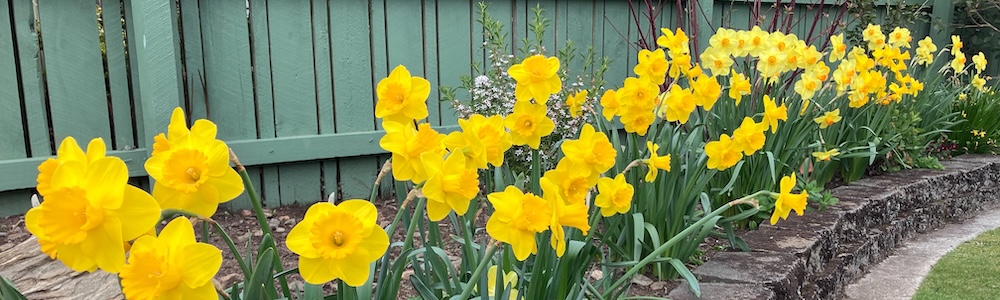
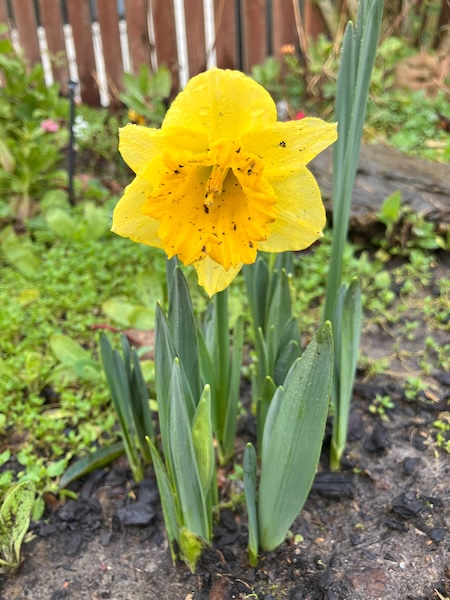
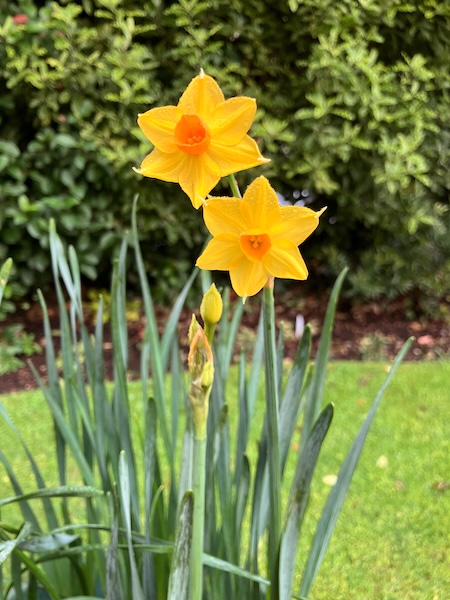
Surprisingly, the first yellow daffodils are already flowering in my backyard. Their foliage began emerging in early June, with the first blooms opening in early July. For now it's only a handful of flowers, but the main display will begin in August and continue right through until October.
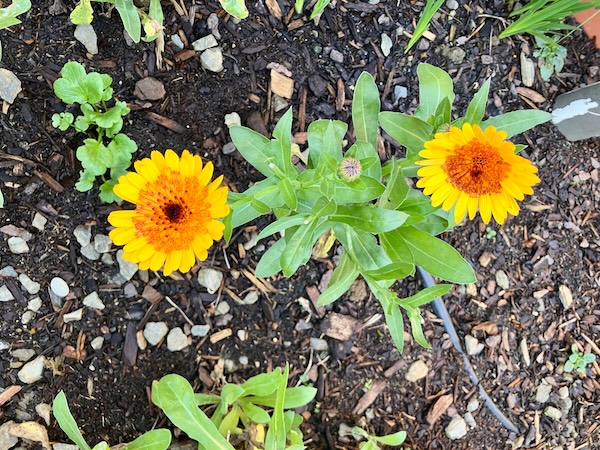
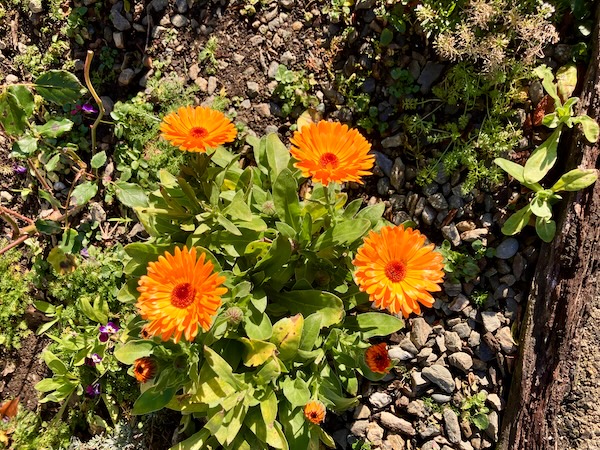
There are still a few calendula flowering in the garden. Over the years I've found they provide flowers for almost the entire year, and their cheerful blooms always brighten the cold, dreary days of winter.
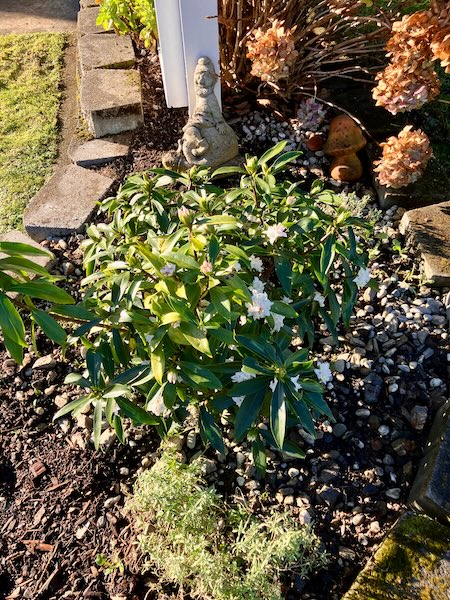
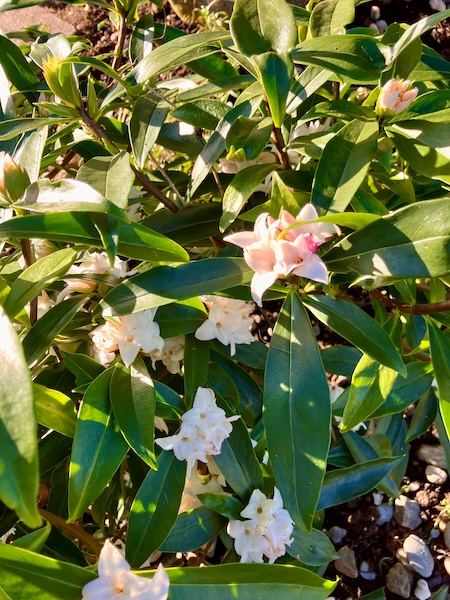
And finally, my young 'Perfume Princess' daphne has been flowering over the past couple of weeks, and its fragrance is intoxicating, filling the entire backyard on sunny still days.
What's Growing:
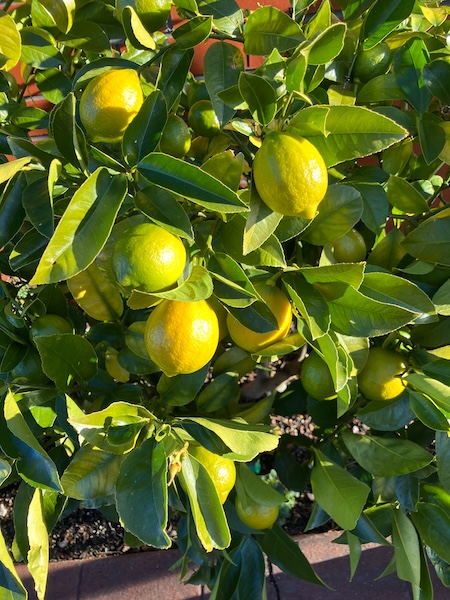
The lemons on my 'Meyer' lemon tree are beginning to ripen, and I'm looking forward to harvesting them over the coming weeks and putting them to good use in the kitchen.
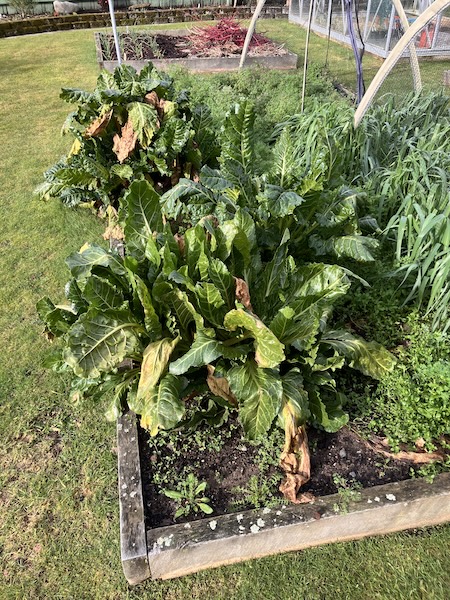
I'm overwintering some sugar beet plants for seed saving, and they've taken all our winter frosts in their stride. They've remained completely hardy and continue to grow without any problems. It is still another 9 months until I can save seed from these plants, and no doubt I'll have to corral them to stop the seed heads from falling over in summer and autumn.
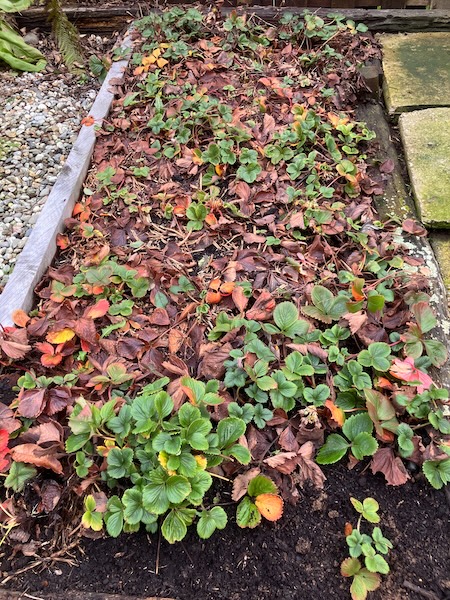
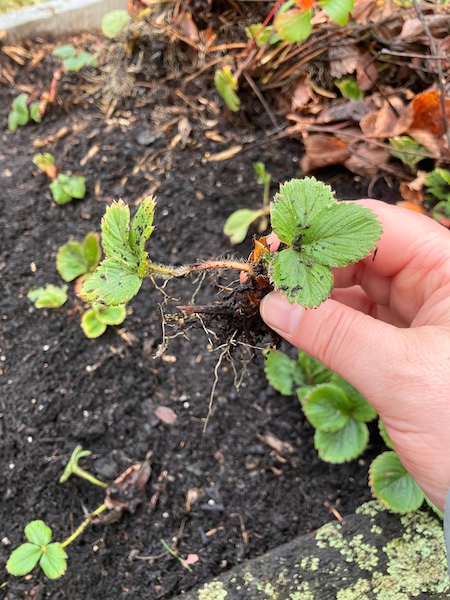
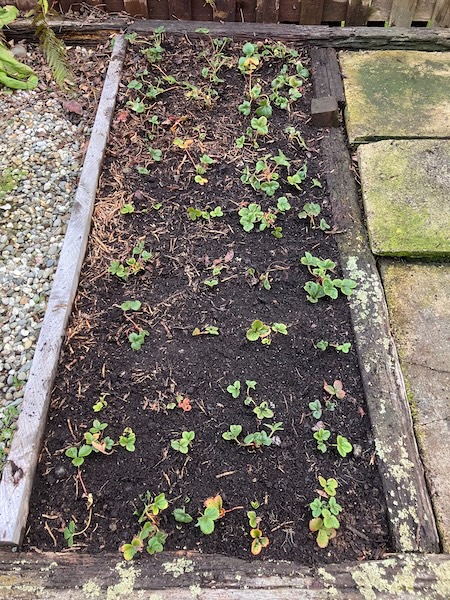
And finally, I gave my strawberry bed a tidy-up by weeding, removing
the older plants, and replanting it with fresh runners. In the process, I
increased the number of plants from 24 to 40, which should mean a much
bigger strawberry harvest this summer.
Nature Notes
Bird life is abundant at this time of year, with many birds searching for food throughout the garden. As always, the blackbirds have been busy digging up the lawn, vegetable garden, and flower beds in search of worms. Tauhou (also known as silvereyes or waxeyes) have been flitting between the few plants still in flower, searching for nectar, while a pair of pīwakawaka have made themselves at home, darting about in search of insects.
I even managed to photograph one of the pīwakawaka as it followed me around the backyard one sunny afternoon—a lovely reminder that even in the middle of winter, the garden is full of life.
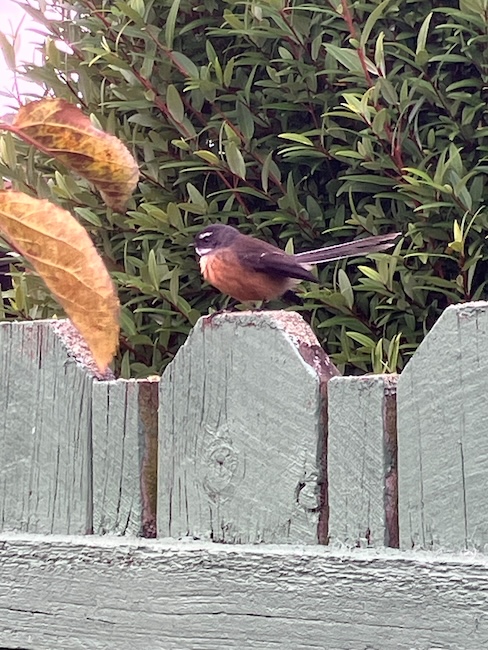
I usually put bird feeders out in the front garden over winter, but with the recent arrival of bird flu in New Zealand, I decided to follow the advice of our local ecosanctuary, Orokonui, and take them down. Hopefully it won't be too long before it's safe to welcome the birds back to the feeders.
July has been surprisingly mild. We've had a total of 19 frosts, with temperatures ranging from –0.1°C down to –2.6°C. For the coldest month of the year, that's quite unusual. In a typical July we would normally expect at least a few frosts of around –6°C, along with plenty of mornings below –4°C.
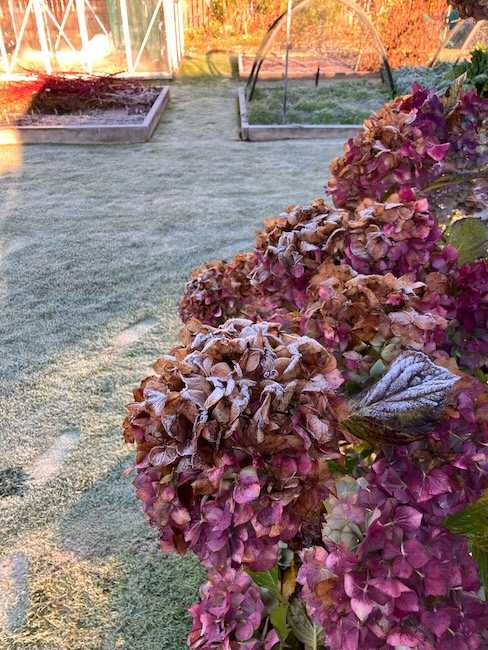
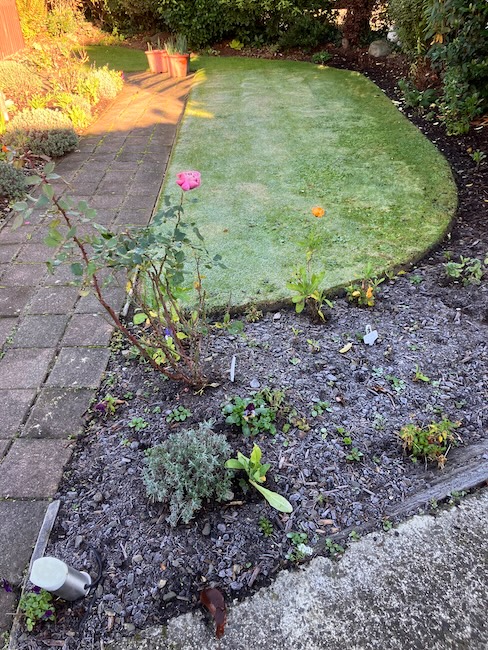
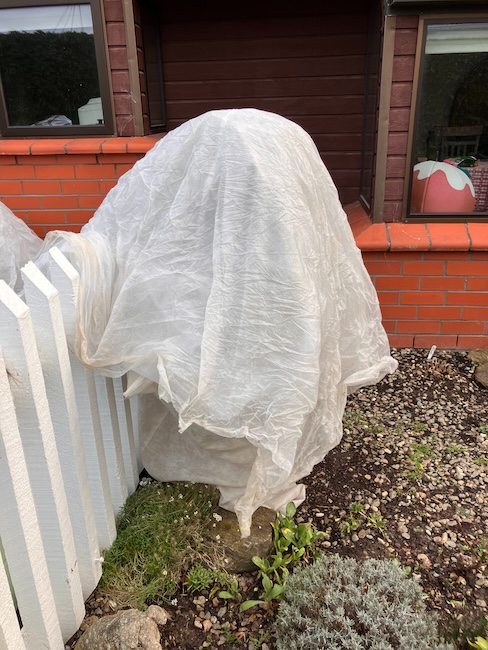
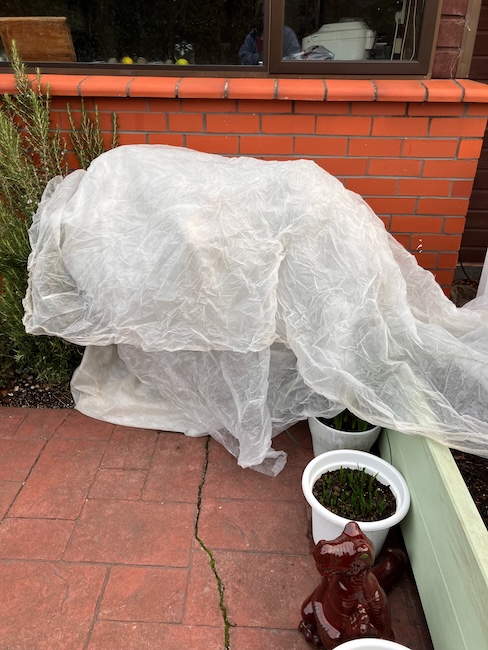
Every day it seems I'm outside in the early evening throwing frost cloth over my citrus plants, wasabi plant, and seedings growing in my glasshouse. My citrus plants look like ghosts in the garden the next morning...
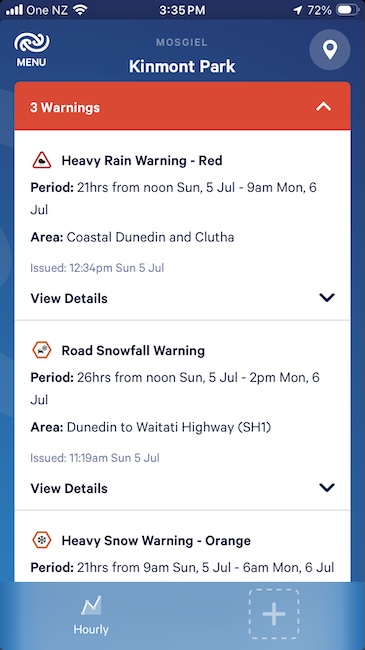
Our biggest weather event this month occurred on 5–6th of July, when a severe winter storm swept across the South Island. Many areas were blanketed in snow, but unfortunately the air wasn't quite cold enough here. Instead, we received torrential rain from the east, prompting MetService to issue a Red Heavy Rain Warning for Dunedin.
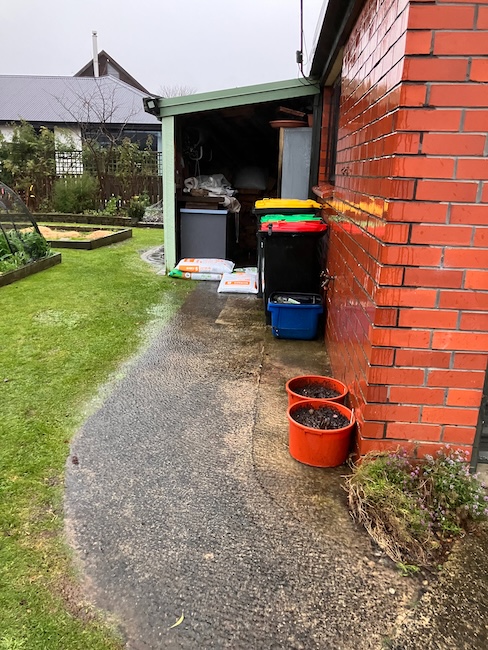
Whenever we get this type of weather pattern, it almost always leads to flooding in our backyard, as well as more widespread flooding across Dunedin. On the 5th of July we recorded 113 mm of rain in just 24 hours, followed by another 80.3 mm on the 6th of July.
As usual, the path leading to our woodshed flooded, so we built a temporary flood barrier using bags of potting mix to keep the water at bay. We keep meaning to fix the problem properly, but this particular weather pattern only comes along every few years, so it never quite makes it to the top of the to-do list.
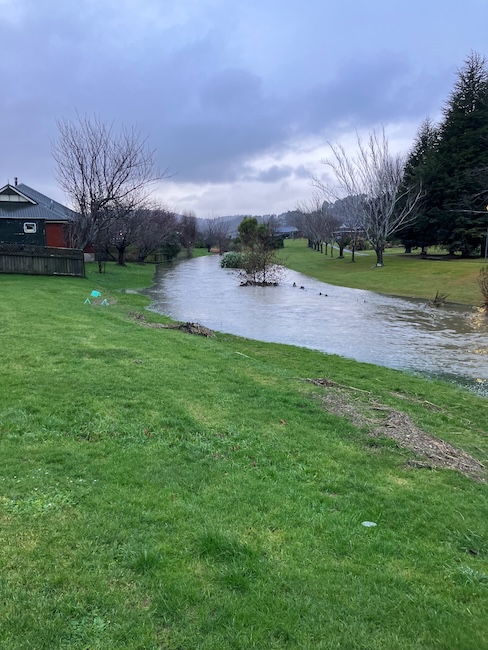
I took a trip out in the pouring rain to check out our local stream. Luckily it stayed within its banks, even though the water was so swift that even the local ducks didn't want to go anywhere near it.
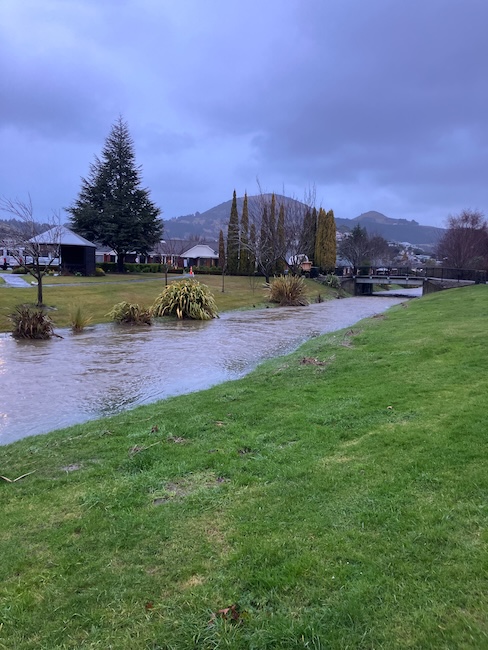
Luckily, the torrential rain eventually came to an end and the garden began to dry out. We've since enjoyed a run of crisp, sunny winter days, making it much easier to catch up on jobs around the garden.
As July draws to a close, the garden is slowly beginning to wake from its winter rest. My seed orders are on their way, and I can't wait to start filling the glasshouse with trays of seedlings. It won't be long before another growing season is underway.
Have a wonderful day
Julie-Ann
If you'd like to continue the conversation, you can find me on Instagram, Mastodon, Bluesky, and Facebook.
Predicting Frosts At Home
Hello friends,
This week I thought I'd share with you how I predict frosts at home using weather resources for New Zealand which are available on the internet.
More often that not, thanks to us being in an inland valley, the weather forecast for Dunedin doesn't apply to Mosgiel, and yet the Mosgiel regional forecast is meant for areas further inland than us. Over the years I've used a bunch of different weather forecasts and also my gut feeling to know when to put frost cloths on my citrus and other frost sensitive plants.
The usual frost set up for us goes something like this: In autumn, winter, and spring, a southerly front/storm comes in from the south west from out over the southern Pacific Ocean. It brings with it either rain/snow, wind, and cold temperatures. After the southerly blows through, the wind dies down, and the sky clears, usually mid afternoon/early evening, then it cools overnight and then we get a frost (or a number of frosts) in the days following. Our frosts can get down to around -6˚C in the middle of winter, but in autumn and spring they can hover just around 0˚C.
Because this set up is pretty predictable, I've come to get a gut feeling about frosts in our local inland valley. So in the late afternoon after a southerly storm when I tend to get a feeling that it'll freeze, that's when I turn to my top three weather forecasting methods.
First up I go to Metservice's website:

On the today forecast in the Dunedin Regional Forecast the -4˚C predicted isn't for "today" but rather than the next morning, on Monday. It's all a bit confusing but it's the best way that it works for me, and the temperature is approximately right. I then look at the "Monday" forecast to see if it says calm winds and frost. In autumn and spring, this forecast tends to be incorrect in predicting frosts.
The second forecast I check is Weather Watch's frost risk forecast. The blue and purple sections on the map show the medium and high risks areas for frosts for the coming days. You can also look at their minimum temperature map to see the temperature bands.


From my observations, Weather Watch's frost predictions are the most accurate. Basically if frost risk map shows blue (or just on the edge of blue), we will get a frost. I trust this frost predictor rather then the other two that I use.
And finally the last frost predictor I use is Rural Weather's forecasts. Just go to rural weather, enter which area of the country you are in, and it'll show you rain, wind, temperatures, fog/cloud, and frost predictions for the coming days.


Their frost trend graph is still in beta, but it is good for predicting frosts. The dark red sections means most likely to have a frost, and the pink is a slight risk of frost. It also shows you what times the frosts might occur. This is my second favorite frost forecast.
With all three of these forecasts in mind, and with my gut feeling telling me there will be a frost, it's time to pull out my frost cloth. My citrus plants and my wasabi plant are sprayed with liquid frost cloth, which protects them down to around -3˚C (depending on how much rain there has been recently). And I also put frost cloth on top of them as double protection, because sometimes, if the plant is still actively growing, the tips of the leaves and flowers may not have been sprayed by the liquid frost cloth. This method works down to around -6˚C, which is usually the coldest frosts we get. If the frost is predicted to be lower than -5˚C, then I just chuck more and more frost cloth on the plants until they are cocooned.
In this case, we did indeed get a frost, which got down to -2.4˚C, which is warmer than the predicted -4˚C by Metservice, but colder than the predicted temperature for Dunedin. It was well and truly worth spending the time putting the frost cloth on my beloved citrus and wasabi plants overnight.


And so, as you can see that my frost prediction method for home is a good setup, and it works for me most of the time. It's much more tricky to predict frosts in late spring though, and we are now getting frosts up until the first week of November, which is a huge risk for my newly emerged dahlia plants. And considering that I have over 50 dahlia plants in my garden, I do not have enough frost cloth and buckets to protect all my plants that late in spring. And that's when I raid the linen cupboard, and use all my spare sheets and blankets as frost protection. As climate change continues to evolve in the coming years, I think our late spring frosts will only get worse.
Have a wonderful day
Julie-Ann
Want to discuss my post? Feel free to chat with me on Instagram or Mastodon or Bluesky, and now also Facebook.
How To Keep My Outdoor Dahlias Alive During Spring Frosts
Hello friends,
We're at the time of the year when the days are getting longer and warmer, and my dahlias in the ground are starting to wake up and poke their heads above ground. This is a good thing, but it is also very stressful because spring weather in Dunedin can be quite fickle.
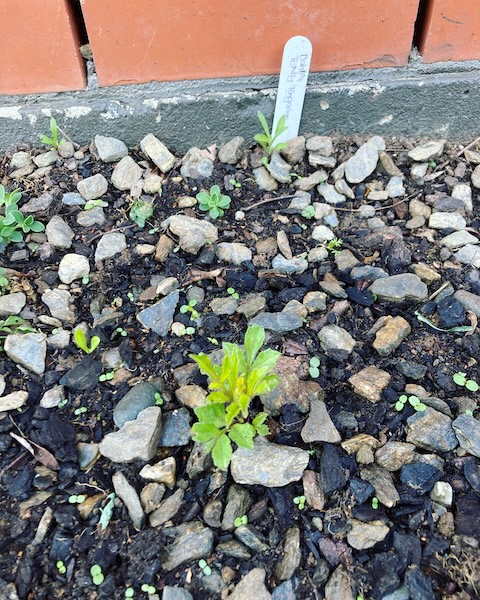
It used to be that you could plant temperature sensitive crops of all types in Dunedin at Labour weekend, which is in the third weekend of October. But for the last three years we either have had a snowfall in the last week of October, or we have a very late frost in the first week of November. As this is a death sentence for any dahlia growing in the garden, I've had to come up with a frost protection method which will work for all my dahlia plants.
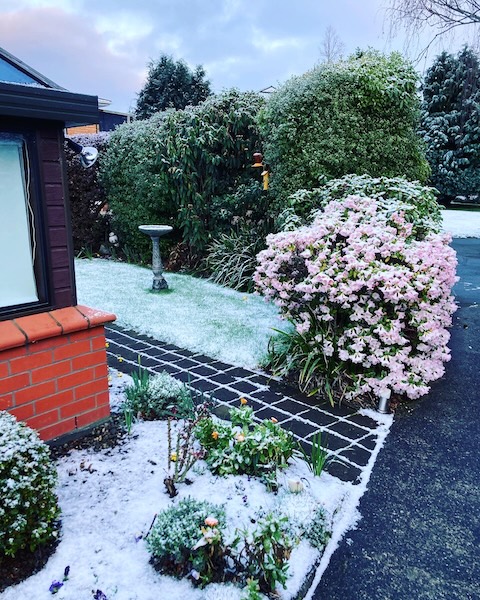
Over the last couple of years I've tried frost clothing my dahlias, but this method is prone to the wind blowing the frost cloth off overnight before the frost at dawn. So I've had to resort to a more brute force method of protecting my dahlias. After many trials, I finally settled on using a lot of small, cheap buckets, placing them on top of the dahlias on risky nights, and holding them in place with a spare piece of firewood.
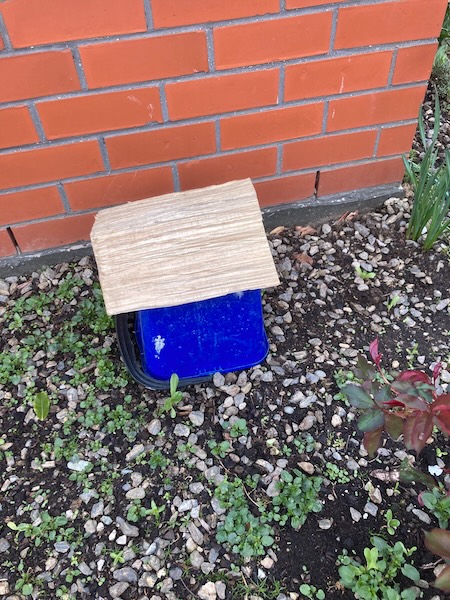
It's not a very pretty method, but it does the trick. It does take a lot of work though, going around each night putting buckets on dahlias, and then the next morning removing them when the temperature rises. Larger buckets are needed to protect the dahlias as they get bigger. Then there is the problem of running out of buckets if too many dahlias are above ground, and I'm not proud to admit this, but that's when I resort to raiding the kitchen cupboards for ice cream containers and mixing bowls...
I used to go around with a wheel barrow collecting up all the buckets and firewood each day, and then redepositing them each night, but now I've gotten lazy, and leave them sitting beside each dahlia all the time for easier distribution. It may make the garden ugly looking for about a month, but I can totally live with that.
The whole process is a giant pain in the ass, but it's completely worth it in summer when my garden is filled with flowering dahlias.
Have a wonderful day
Julie-Ann
Want to discuss my post? Feel free to chat with me on Instagram or Mastodon or Bluesky.
Making Citrus Frost Cloth Covers
Hello friends,
After buying a frost cloth cover from one of our local garden centres back in May, I wanted to make bigger versions for my three citrus plants before winter arrived.
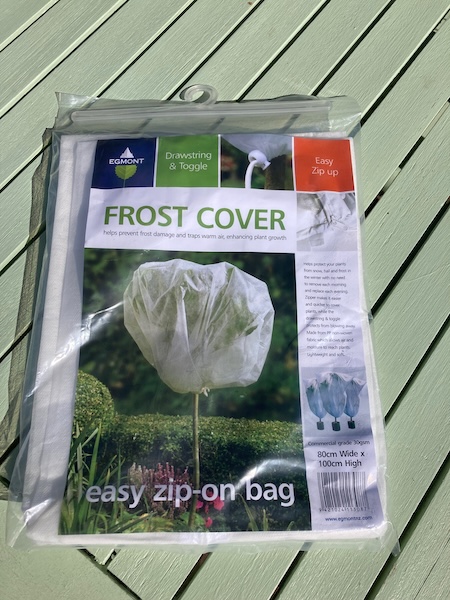
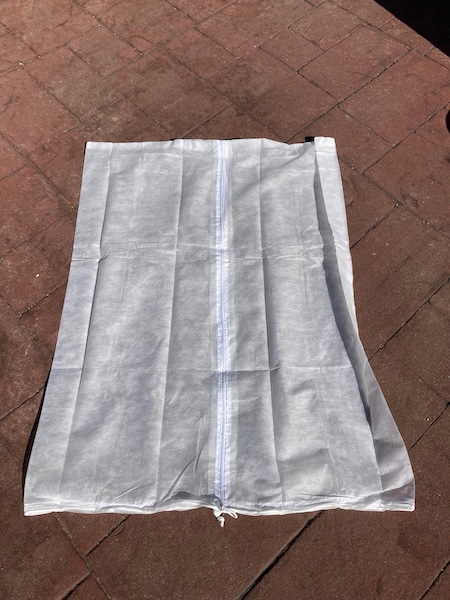
Luckily I had some very thick frost cloth in storage from last year, so I tracked it down and then got to work. The frost cloth was 2 metres wide and many metres long, so I used the width of the frost cloth as the height for each frost cover. I wrapped the frost cloth length around each citrus plant, added extra space for wiggle room to fit it over the citrus plants, and then marked it out on the frost cloth. I decided that adding a zip was just extra work, and more expensive, so I didn't bother with it.

Once I had measured each plant, I went up to my craft room and cut off a length of frost cloth for each frost cloth cover. I then folded each section of frost cloth width wise, so that the width of the frost cloth formed the sides of the frost cover. The length of frost cloth that was folded in half then formed the top and bottom of the frost cover. With this done, I sowed along the top and the side of the frost cover. The bottom of the frost cover was left open for making the casing for the pull string, and to pull over the citrus plants when the frost cover was finished. I used a normal straight stitch on the sewing machine, and made sure the ends were well tacked down.
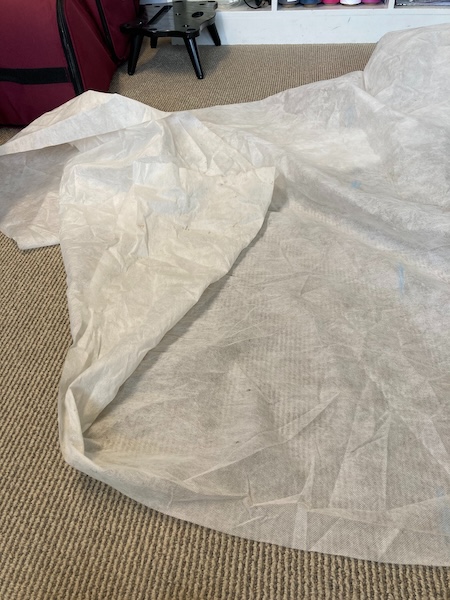

The next step was to sew a casing in the bottom of the frost cover, leaving a small opening so I could insert some nylon rope in a circle around the bottom. I purchased some general purpose nylon rope from Mitre 10, and some cord pullers from Spotlight.
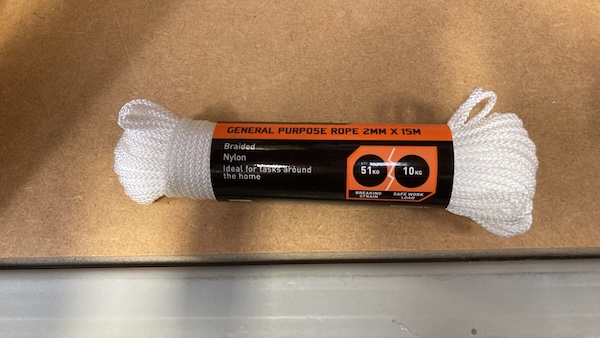
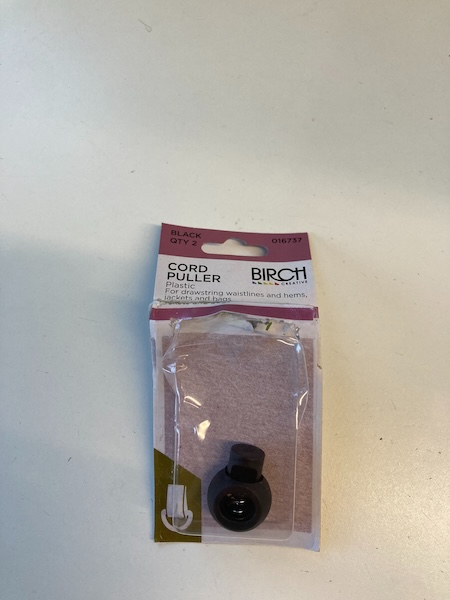
After sewing the casing, it was time to unwind the general purpose rope, and insert it into the casing. This was when Rosie cat came to assist me, and she helped me add the rope and the cord pullers to all three citrus frost covers.
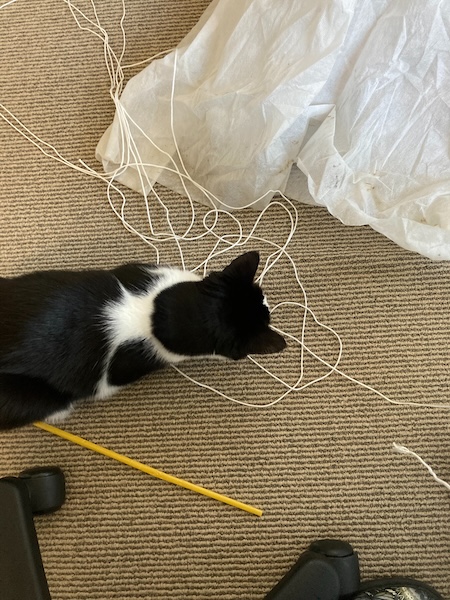
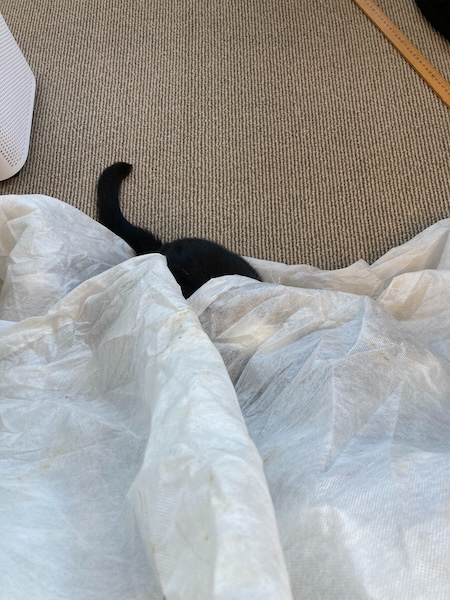
After making sure the cord pullers all worked, and tying the ends of the rope tight together, the frost covers were ready. After trying on each frost cover to the corresponding citrus plant, I labelled each one with a permanent marker.
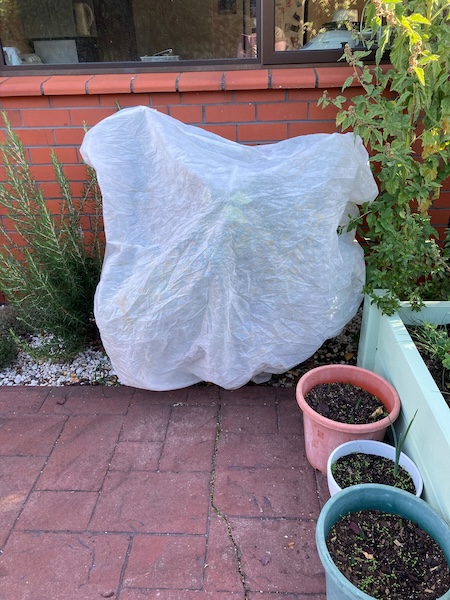
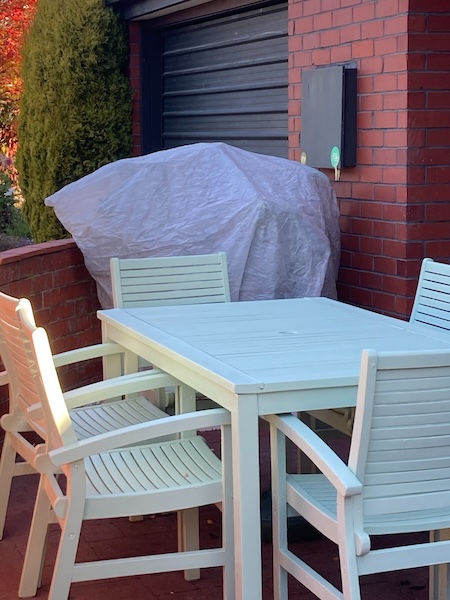
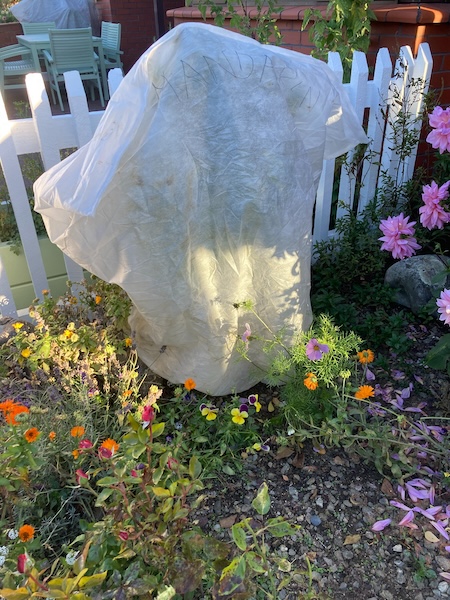
It's now winter, and we've had multiple frosts now. The frost covers have been such an asset to have, as they are so easy to pull on and off. It's really been so much easier to protect my precious citrus plants from frost and snow. And to make the frost covers myself, it was just a crafty bonus.
Have a wonderful day
Julie-Ann
Want to discuss my post? Feel free to chat with me on Instagram or Mastodon or Bluesky.
Social Media



Archives