
Restocking My Seed Boxes for the New Growing Season
Hello friends,
It's seed buying time again, when New Zealand seed companies tempt gardeners with their favourite seed packets, along with a bunch of new exciting varieties. Before I placed any orders this year, I wanted to take stock of the seeds already stored in my Franchville 16 storage cases from Spotlight.
I may have been lasy last year and neglected to throw out empty seed packets as I sowed seeds throughout the season. As a result, my seed boxes looked far more full than what they actually were.
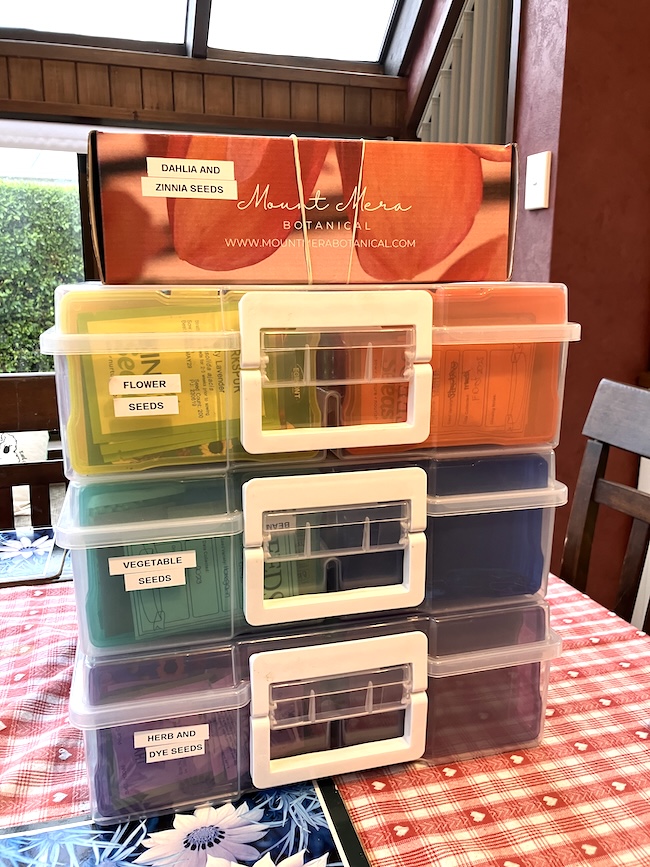
It took quite a while to work through every compartment in the storage cases, checking whether packets still contained seeds, noting expiry dates, and updating my seed database. By the time I finished, I had a clearer picture of which varieties were still in stock, and which ones needed replacing. My herb and vegetable seed stocks were in pretty good shape, but my flower seed stocks were heavily depleted. Many seed packets were nearly empty, and ones like cosmos and calendula had completely run out.
Knowing how depleted my flower seed stocks were, and how expensive they would be to replace, I opened about a million tabs in my web browser and got to work comparing varieties and prices from different seed suppliers. After many hours at the computer, I had narrowed down the varieties I wanted, worked out which suppliers offered the best prices, and was finally ready to begin placing orders with the following seed companies. These are just a few highlights from this year's seed order. There were many more packets than I could realistically include in one blog post!
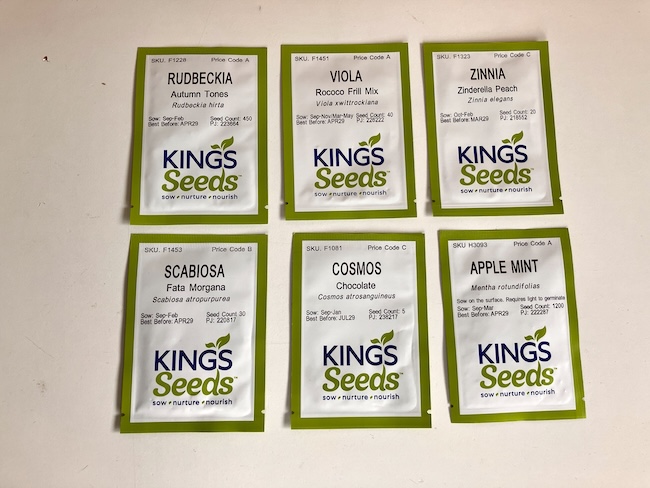
From Kings Seeds, I mostly purchased a bunch of cosmos, herbs, zinnias, and viola and pansy varieties. I'm especially looking forward to growing the Zinderella range of zinnias this season. And yes, I also fell victim to the chocolate cosmos growing craze sweeping the gardening world right now.
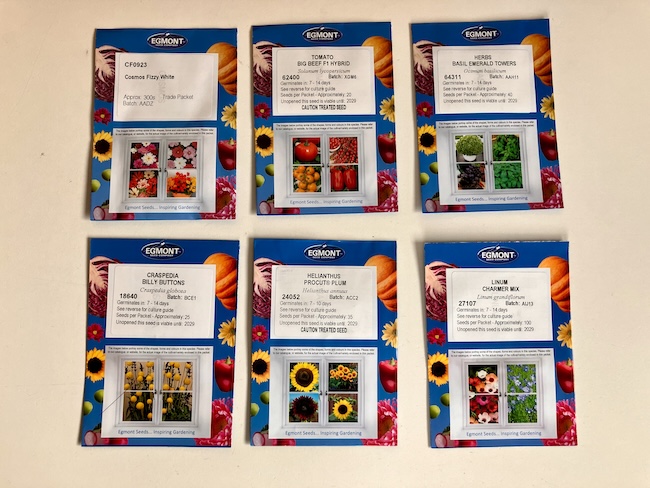
From Egmont Seeds, I purchased a selection of herb, tomato, calendula, and marigold seeds, along with a large cut flower packet of Cosmos 'Fizzy White'. This is my favourite cosmos variety, and it's not easy to find in small packets, so I decided to splurge on a 300-seed packet. I'm sure they'll all get used eventually...even if it takes me a few seasons to get through them.
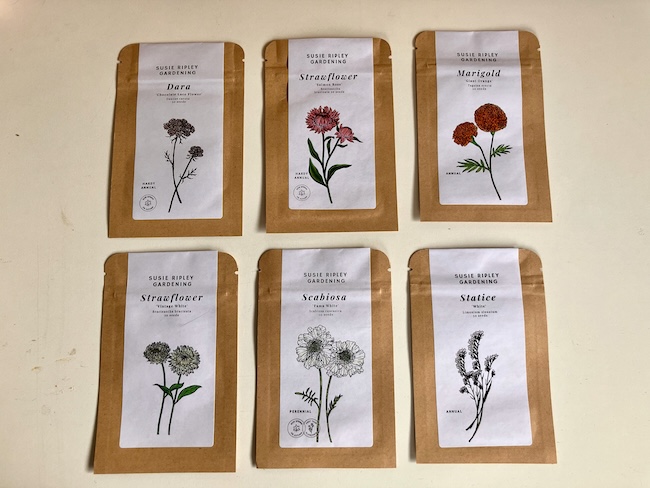
From Susie Ripley, I purchased several rarer flower varieties, along with strawflower and statice for drying. These were varieties I hadn't been able to source elsewhere, and I'm looking forward to experimenting with dried flowers this season.
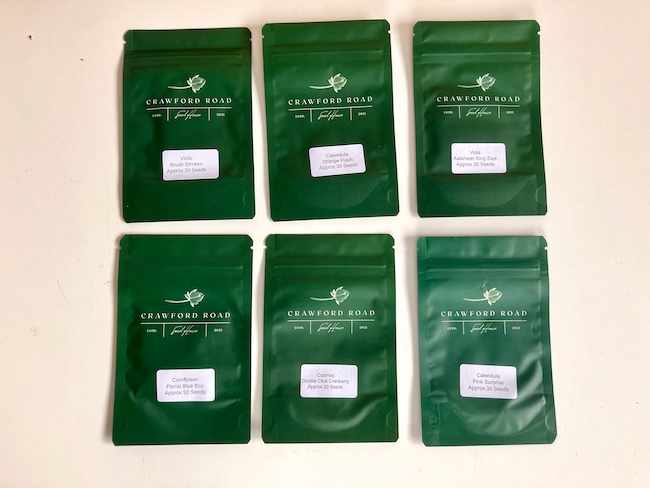
And finally, from Crawford Road, I purchased several new-to-me calendula varieties, along with violas and some new cosmos and cornflower selections to trial in the garden this season.
Just when I thought all my seed buying was done, I discovered that Wild Flora was selling some rare flower seeds that were simply too tempting to resist. First on my list were seeds from the dahlia variety 'April Heather'. This collarette dahlia is a rare plant to source in New Zealand, and while I can't justify spending $100–$300 on a single tuber, I was more than happy to invest in a packet of its daughters for my dahlia breeding project.
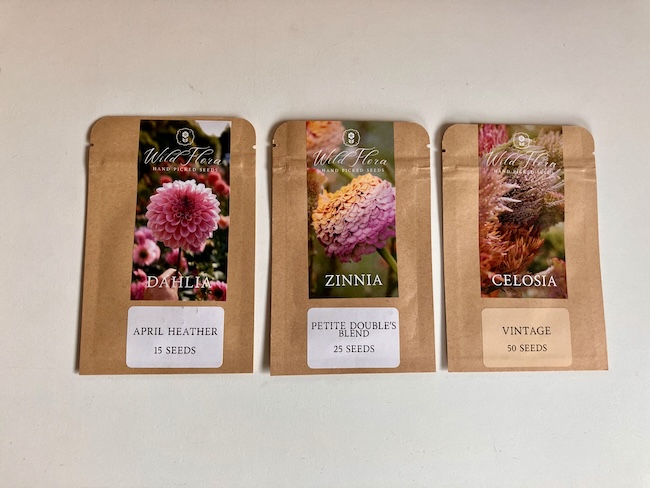
Wild Flora also had progeny from several Floret zinnia and celosia varieties available for sale. These seeds were only offered in New Zealand during 2024 and can no longer be purchased directly, so when the opportunity came up, I couldn't resist. I'm looking forward to growing these varieties and seeing what interesting colours and forms appear in the next generation.
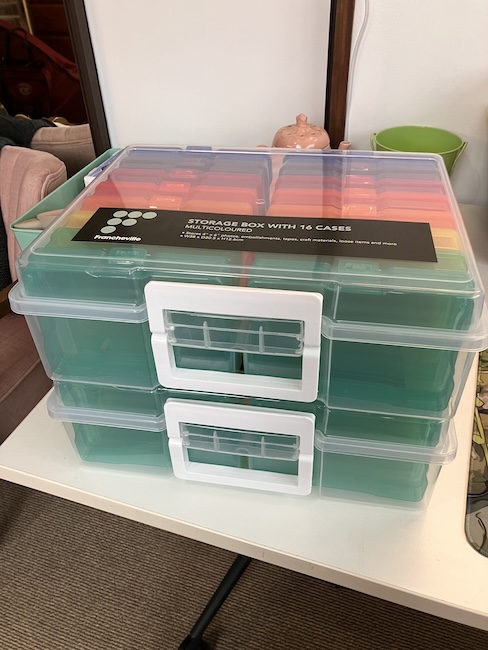
With all this seed purchasing completed, I ran out of space in my Francheville seed storage boxes. Fortunately, Spotlight had them on sale for 30% off, so my husband picked up two more for me. Hopefully they'll last me a little while. I find these boxes perfect for seed organisation, keeping everything tidy and easy to find when sowing season arrives.
I'm pleased with this year's seed purchases and looking forward to getting everything sown over the coming months. There are plenty of old favourites returning to my garden, along with many new varieties and a few exciting breeding projects to explore. Now comes the hard part—finding the time to sow everything, and the space to grow it all!
Have a wonderful day
Julie-Ann
If you'd like to continue the conversation, you can find me on Instagram, Mastodon, Bluesky, and Facebook.
I'm In The December 2025 Issue Of The New Zealand Gardener Magazine
Hello friends,
An exciting opportunity happened a couple of months ago when the New Zealand Gardener magazine contacted me and wanted to chat about my blogging adventures in growing, harvesting, and processing my own sugar beet, as part of a wider article about kiwi gardeners growing their own sugar in various forms (including sugar cane and sugar maple).
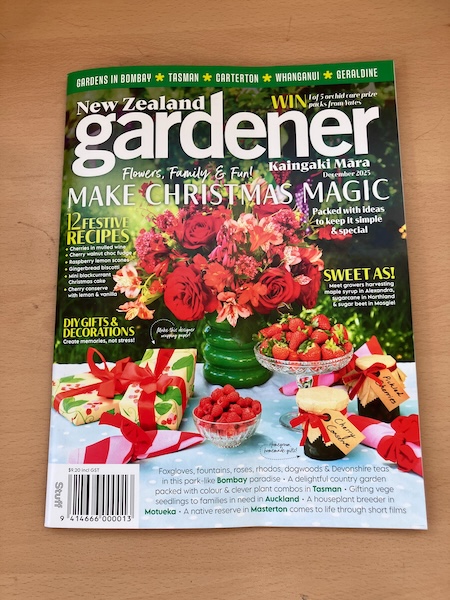
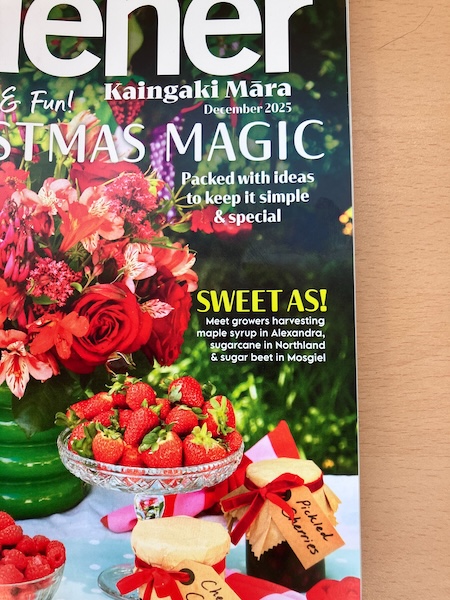
I was quite happy to do this as I'm a big fan of the magazine (I buy a copy of it each month), and New Zealand Gardener is such a great source of local news and advice for New Zealand gardeners.
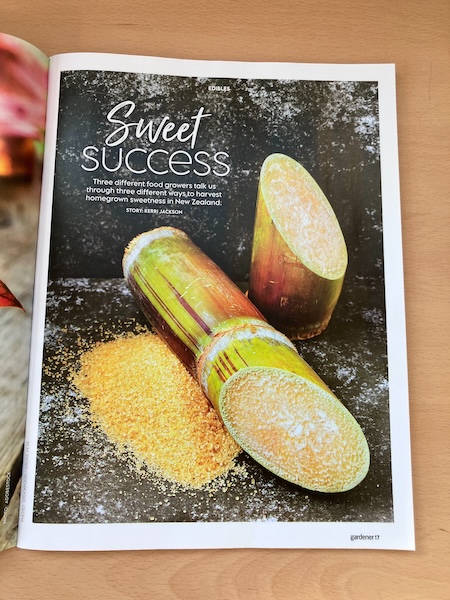
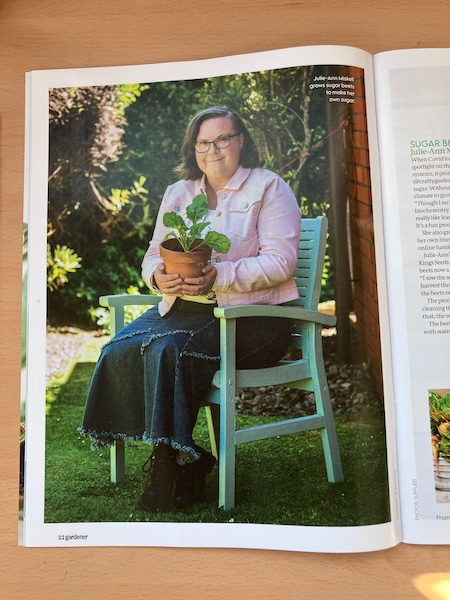
They used two of my blog posts as a guide for growing and harvesting sugar beets, as well as photos of mine for their article, along with a phone interview I did with them in early October 2025. If you want to read more about growing and processing sugar beet plants from these blog posts, here is where you can find them:
1. Making Sugar From Homegrown Sugar Beets
2. Harvesting My Own Sugar Beet Seeds
If you're on the hunt for sugar beet seeds so you can try growing your own sugar, sadly Kings Seed no longer stocks the seed, but I grew sugar beet plants from the last of my sugar beet seed stock, and waited two years until they had flowered and set seed, to harvest my own sugar beet seed earlier this year in autumn 2025.
I have some of those sugar beet seeds available for sale in my online store Hearth & Oak. There is a limited amount for sale, as I've sowed a lot of the seed in my own garden this spring. It would be good however, to have sugar beet seeds in the hands of more New Zealand gardeners, so we don't lose sugar beet seed stock in New Zealand.
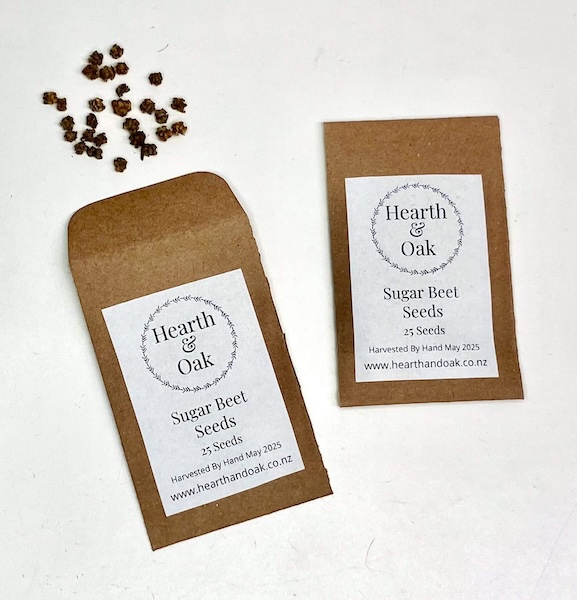
As for me, I'm quite chuffed to be included in my favorite gardening magazine, and I never thought a couple of years ago when I started blogging about growing sugar beet in my backyard, that it would lead to this opportunity...
Have a wonderful day
Julie-Ann
Want to discuss my post? Feel free to chat with me on Instagram or Mastodon or Bluesky, and now also Facebook.
King Seeds And Egmont Seeds Seed Haul
Hello friends,
Over the course of this winter I bought seeds from both Kings Seeds and Egmont Seeds, for growing vegetables, herbs, and flowers in the garden this growing season.
First up are the seeds from Kings Seeds, where I bought carrot, spinach, onion, and rocket vegetable seeds for the vegetable garden this spring. I also got a bunch of herb seed varieties including, parsley, feverfew, chamomile, catnip, catgrass, calendula, and basil seeds. I also bought a few flower seeds including zinnia, cosmos, yarrow, and dwarf lupin.
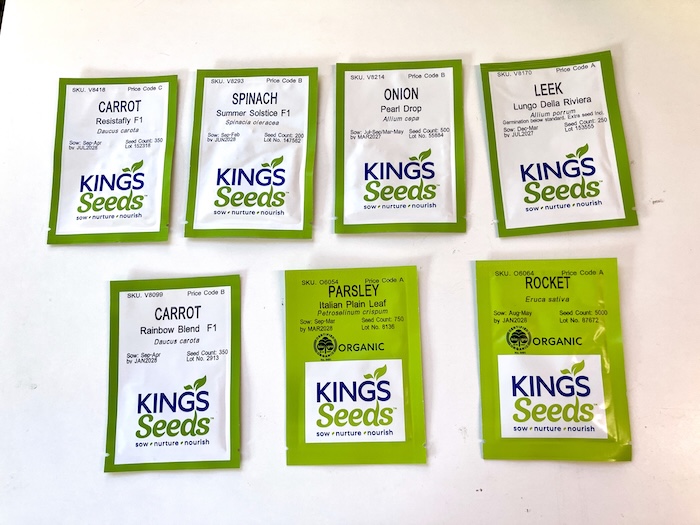
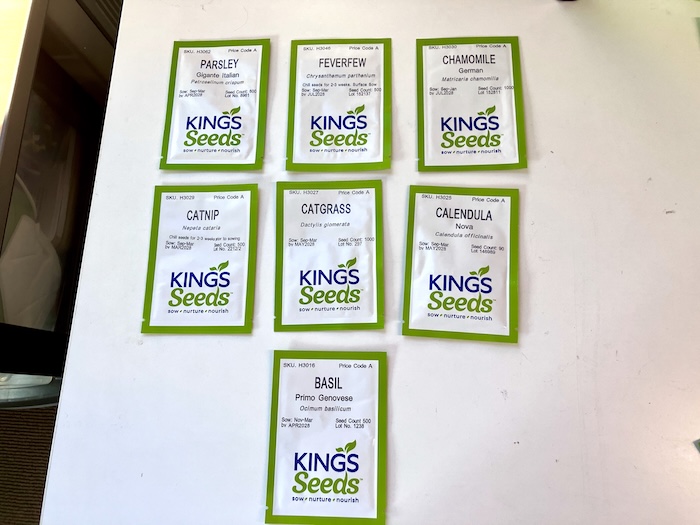
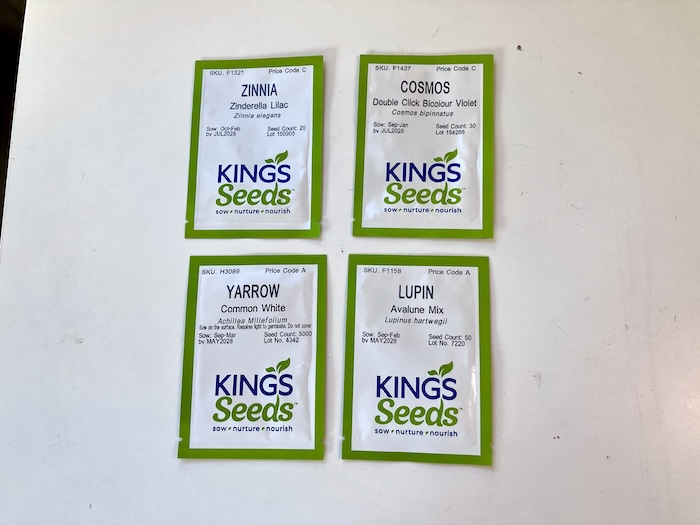
From Egmont Seeds I bought a pile of seeds including cucumber, capsicum, chickpea, stevia, thyme, and lavender, along with a bunch of new pansy varieties after I fell victim to the pansy mania hitting the world at present. Egmont seeds have a great range of pansy seeds available, with lots of varieties with frills and pretty colours that I haven't seen before.
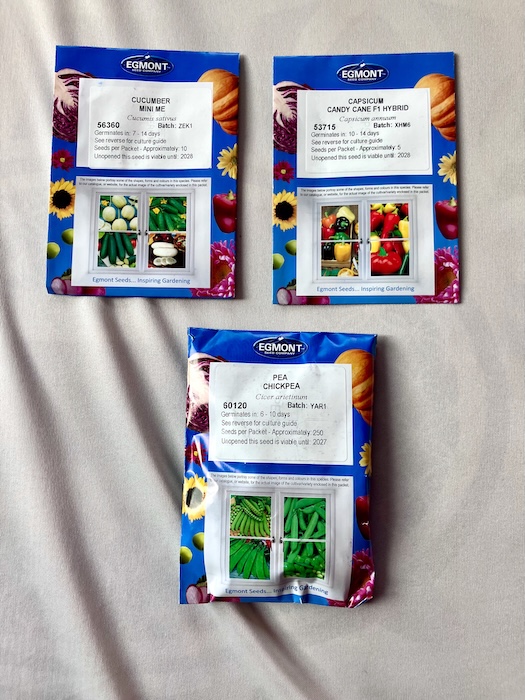
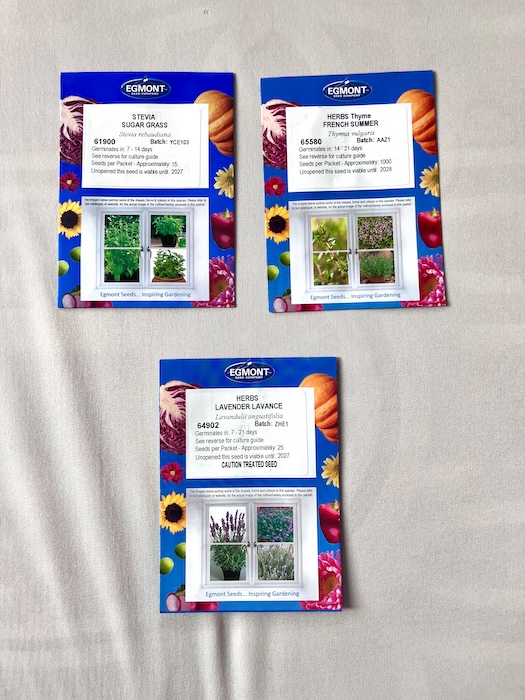
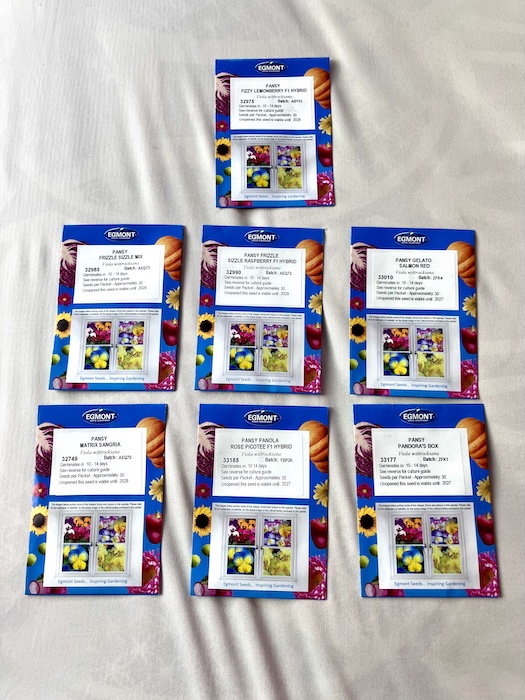
I can't wait to see the plants that grow from all these seeds in the coming spring and summer, and then the harvests and flowers I will get from them...
Have a wonderful day
Julie-Ann
Want to discuss my post? Feel free to chat with me on Instagram or Mastodon or Bluesky.
Harvesting and Drying Alma Paprika
Hello friends,
This is our second year growing alma paprika plants. It's really satisfying to sow them as little tiny seeds, see them grow up into seedlings, and then onto big pepper plants with red peppers that you can dry into mild paprika.
The process for growing alma paprika plants is pretty much the same as any other capsicums or chillies. The seeds need to be sown in late winter, at the same time as tomatoes, and they need consistent steady heat in order to germinate. At that time of the year we have them sitting in the dining room where we have the fire going each day. Within a couple of weeks they germinate, and slowly over a couple of months they grow into seedlings which need to be potted on.
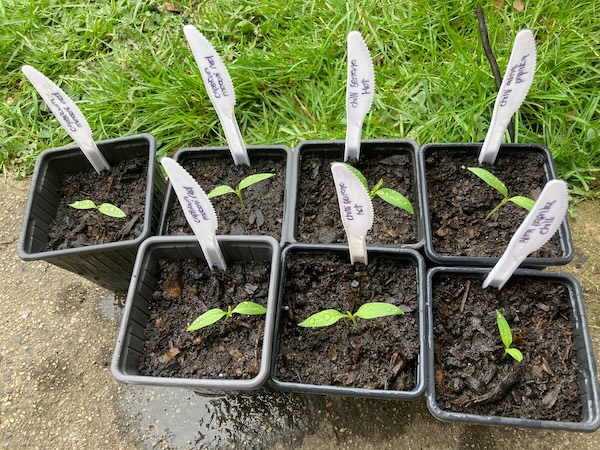
I move the alma paprika seedlings into the glasshouse in early October, and once it gets to Labour weekend, it's time to plant them into the ground in the glasshouse. Over the next few months they get bigger, and need staking, and at around Christmas they begin to flower. The rounded alma paprika fruits begin to grow, and then it's a wait over late summer and early autumn for the growing fruits to begin to change colour to a bright red hue.
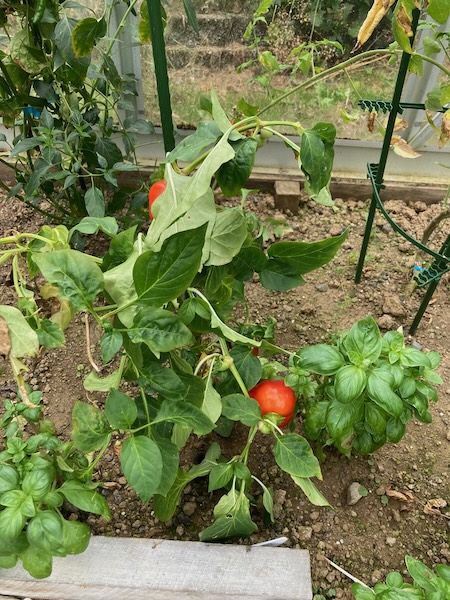
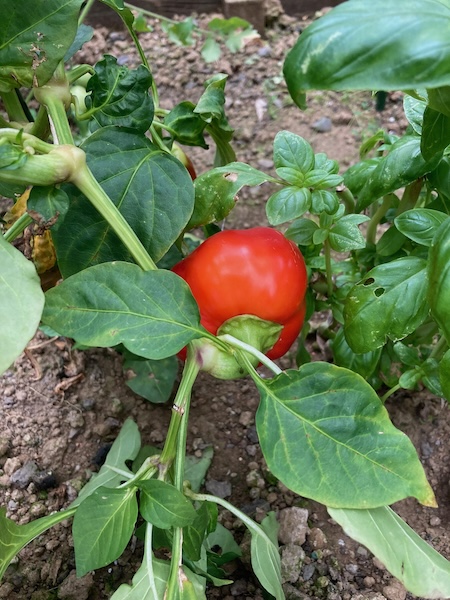
Once the alma paprika fruit has turned red, it's finally time to pick them. I cut them off the plant using a pair of secateurs, and then take them into the kitchen to begin processing them.
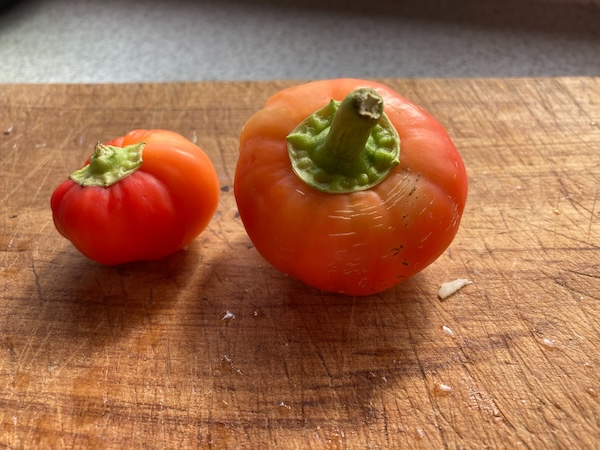
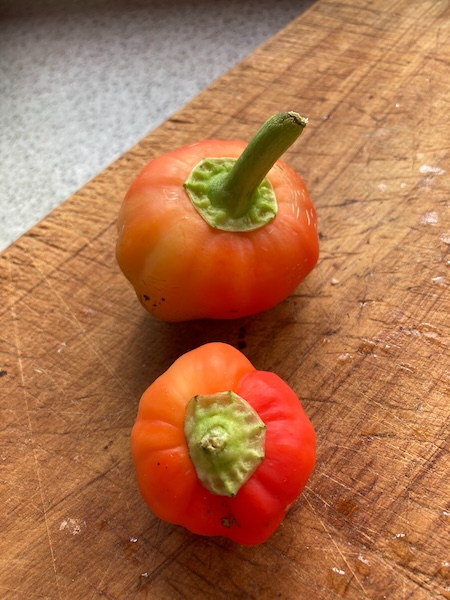
After chopping them in half, cutting off the stalks, and removing all the seeds, I slice the alma paprika fruit into thin slices and lay them out on a tray.
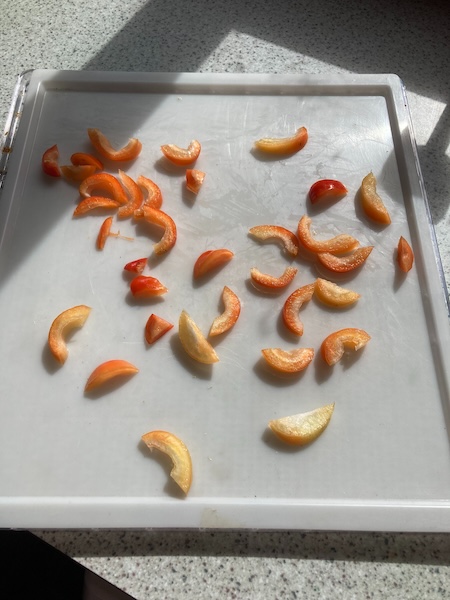
Then they go straight into the dehydrator at 35˚C, and I dry them until the slices are bone dry and brittle, ready for turning into paprika powder.
After a quick whizz in our spice grinder, the paprika powder is ready to use in cooking. The spice is tasty and mild, and works great in a number of dishes. The whole process is really easy, and satisfying, so it's now yet another yearly thing for me to do in the garden and kitchen.
Do you have any yearly tasks you enjoy? There's great satisfaction in accomplishing them when it means you have tasty food over the cold winter season.
Have a wonderful day
Julie-Ann
Want to discuss my post? Feel free to chat with me on Instagram or Mastodon or Bluesky.
Social Media



Archives